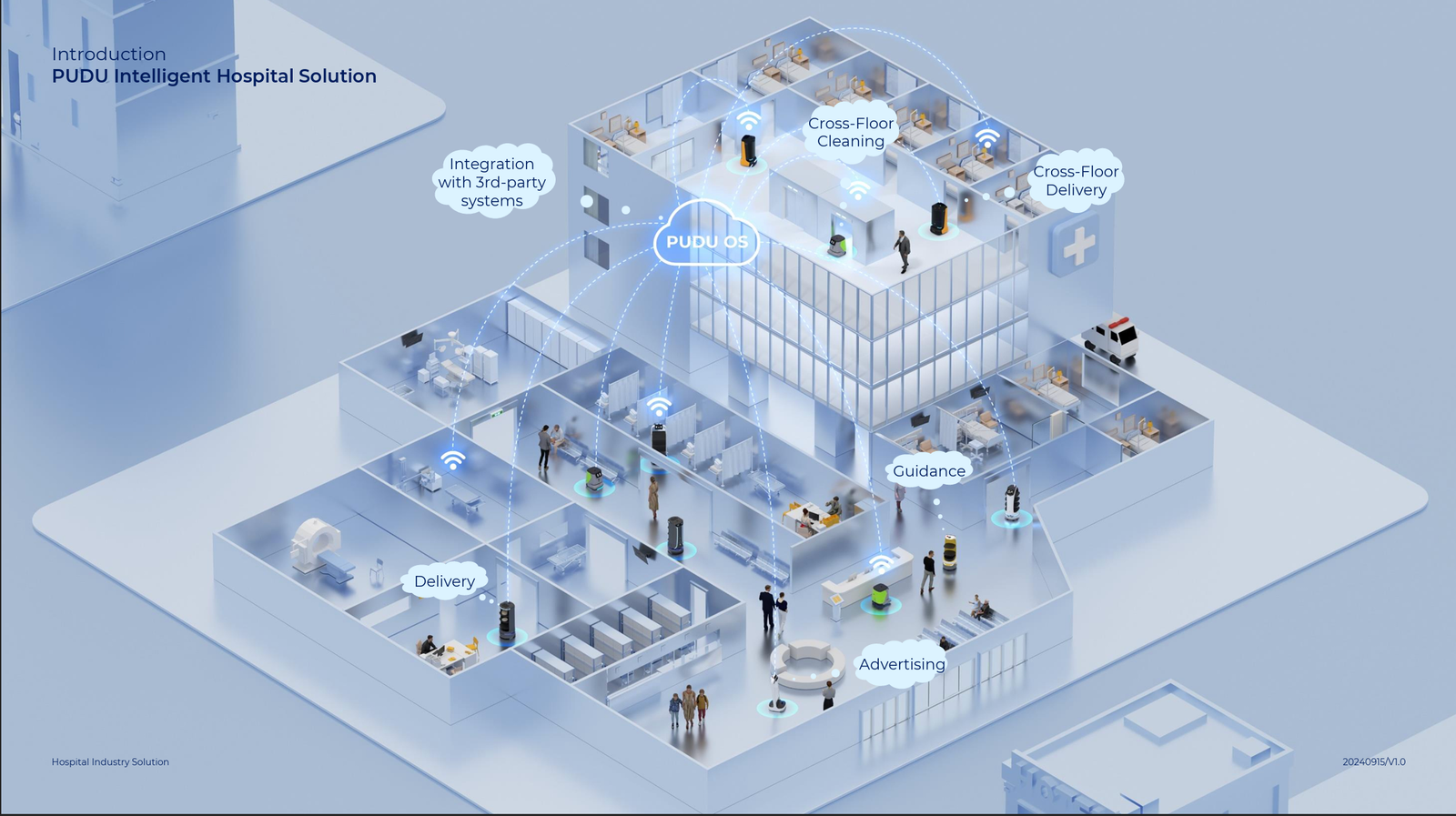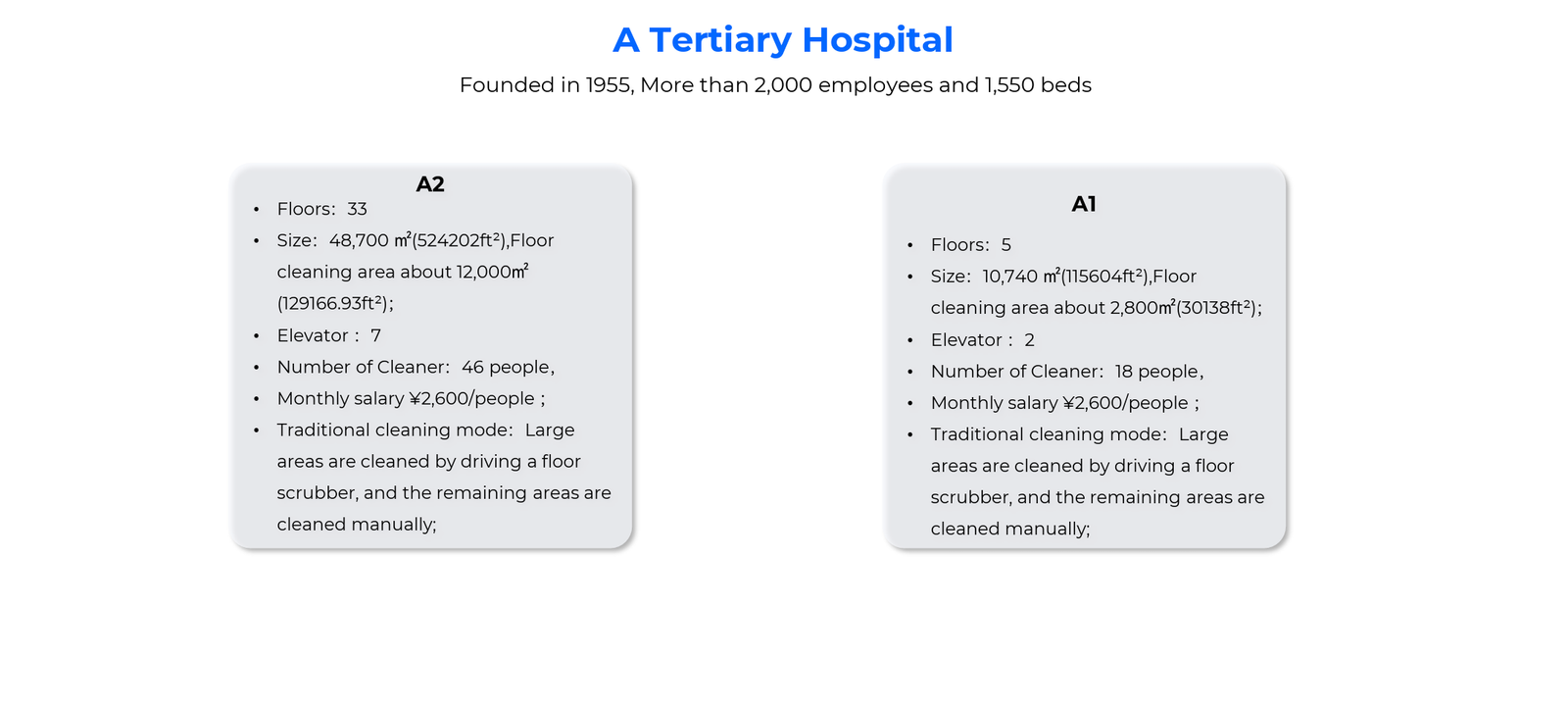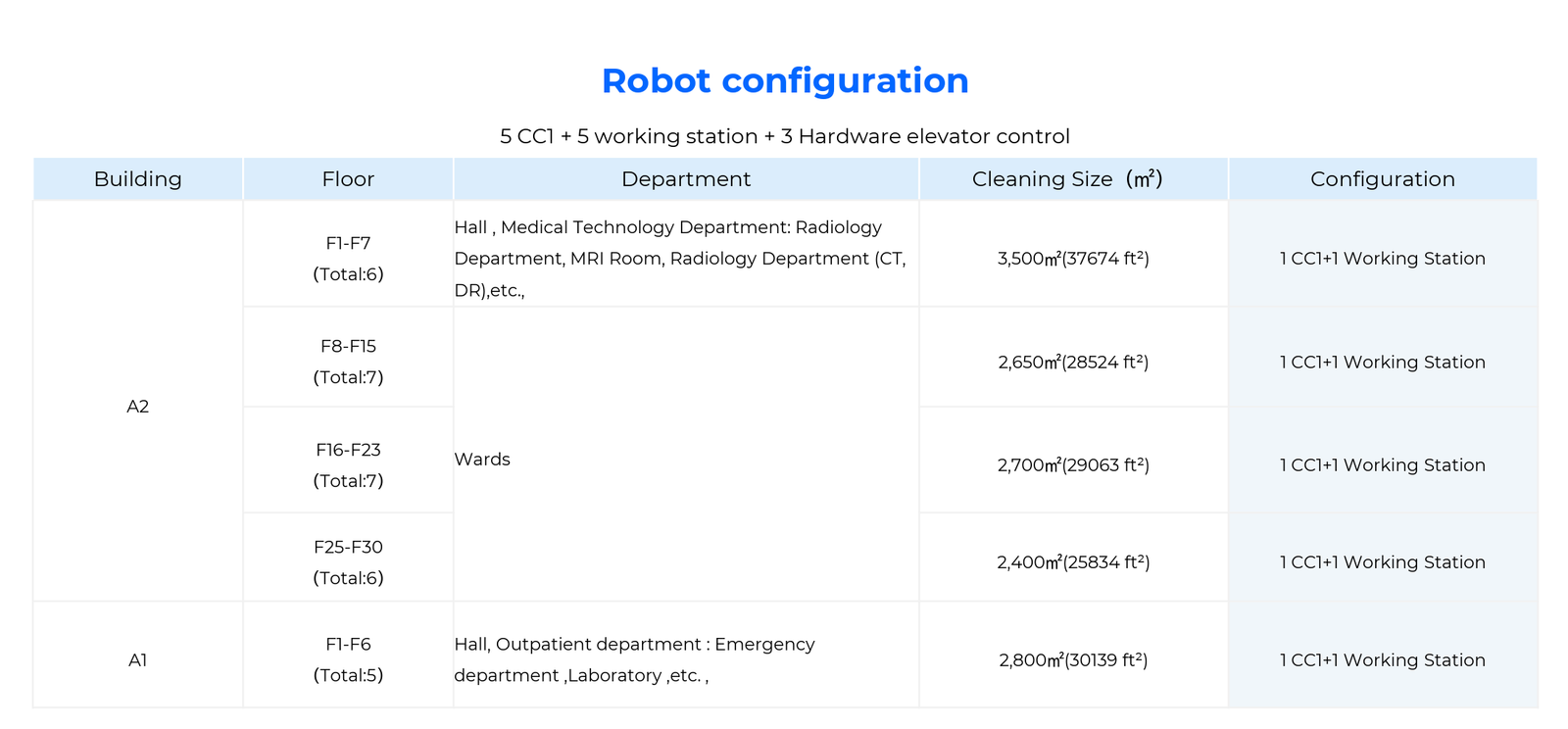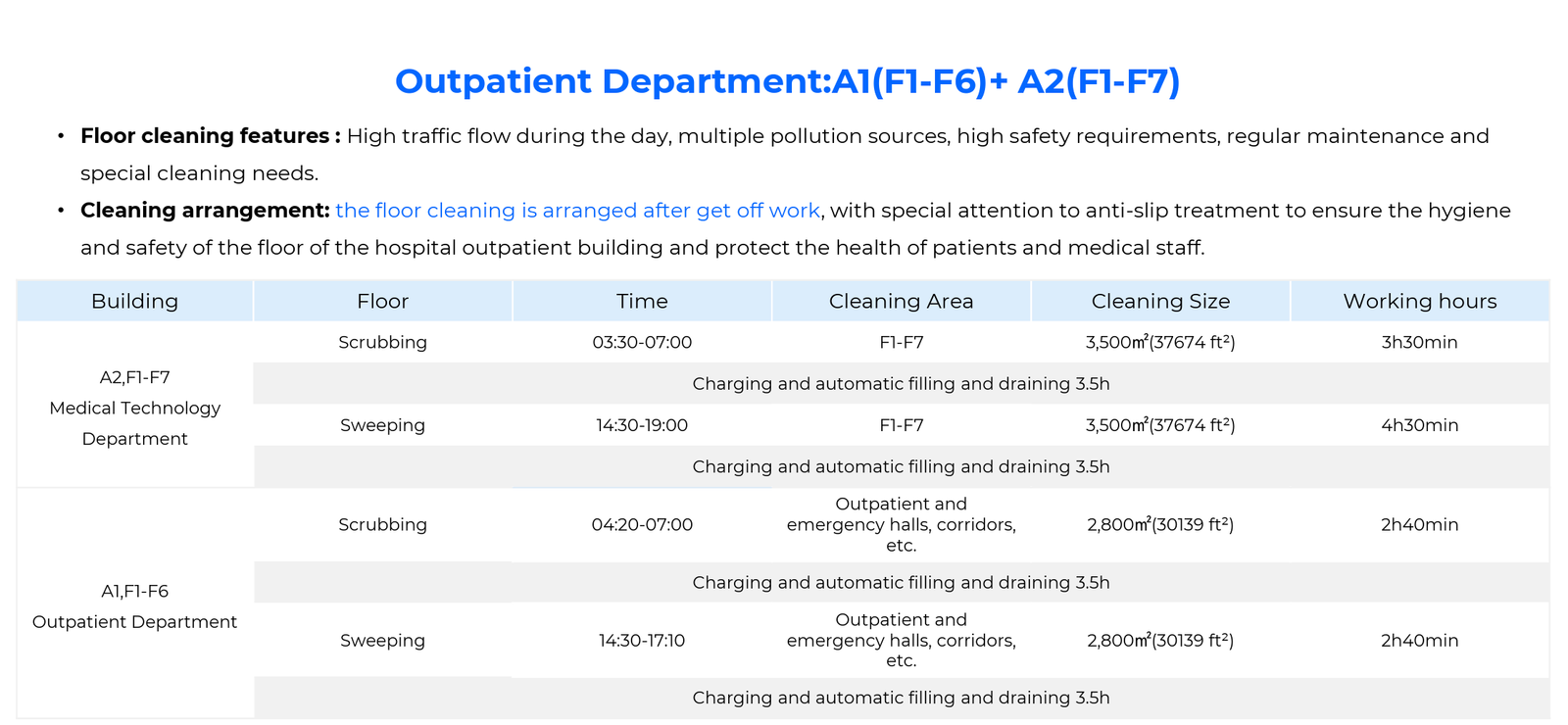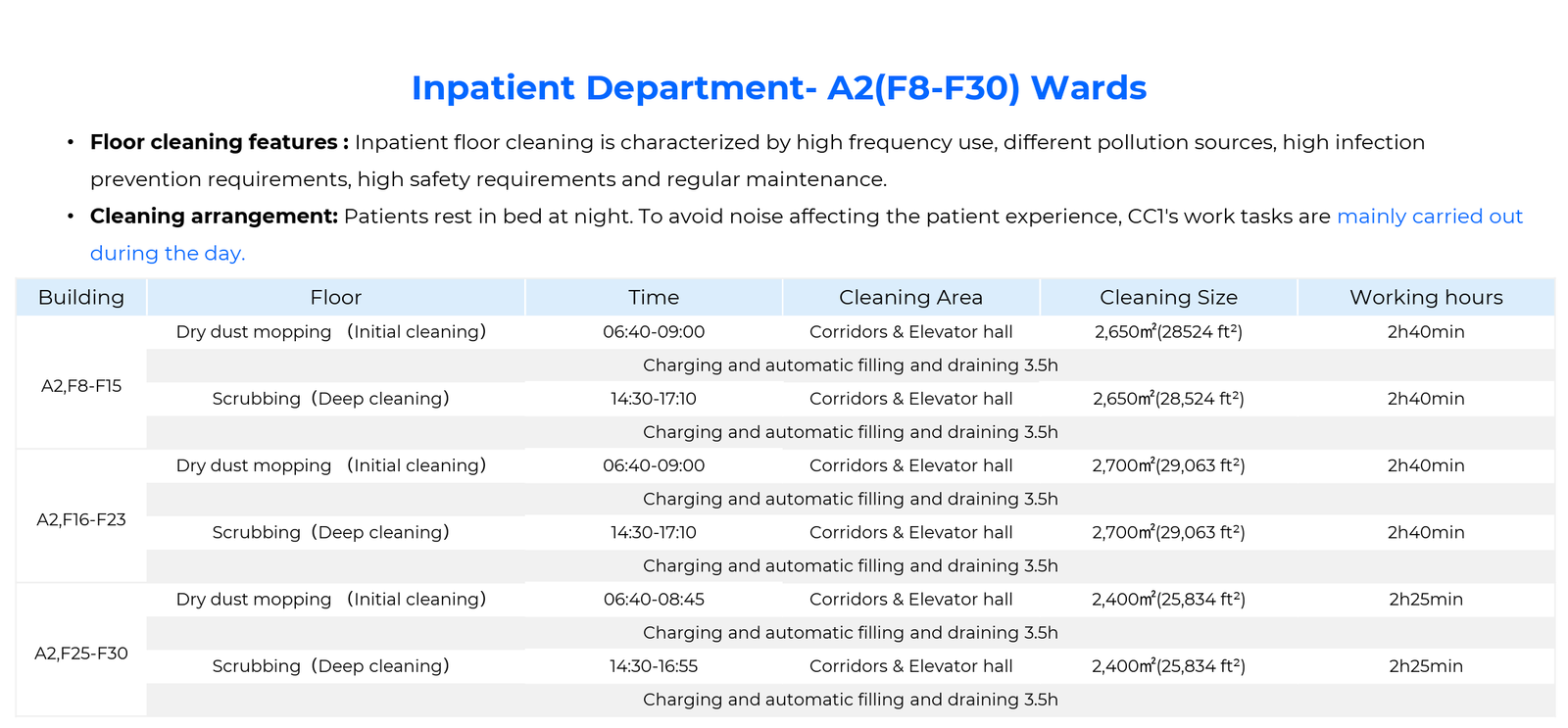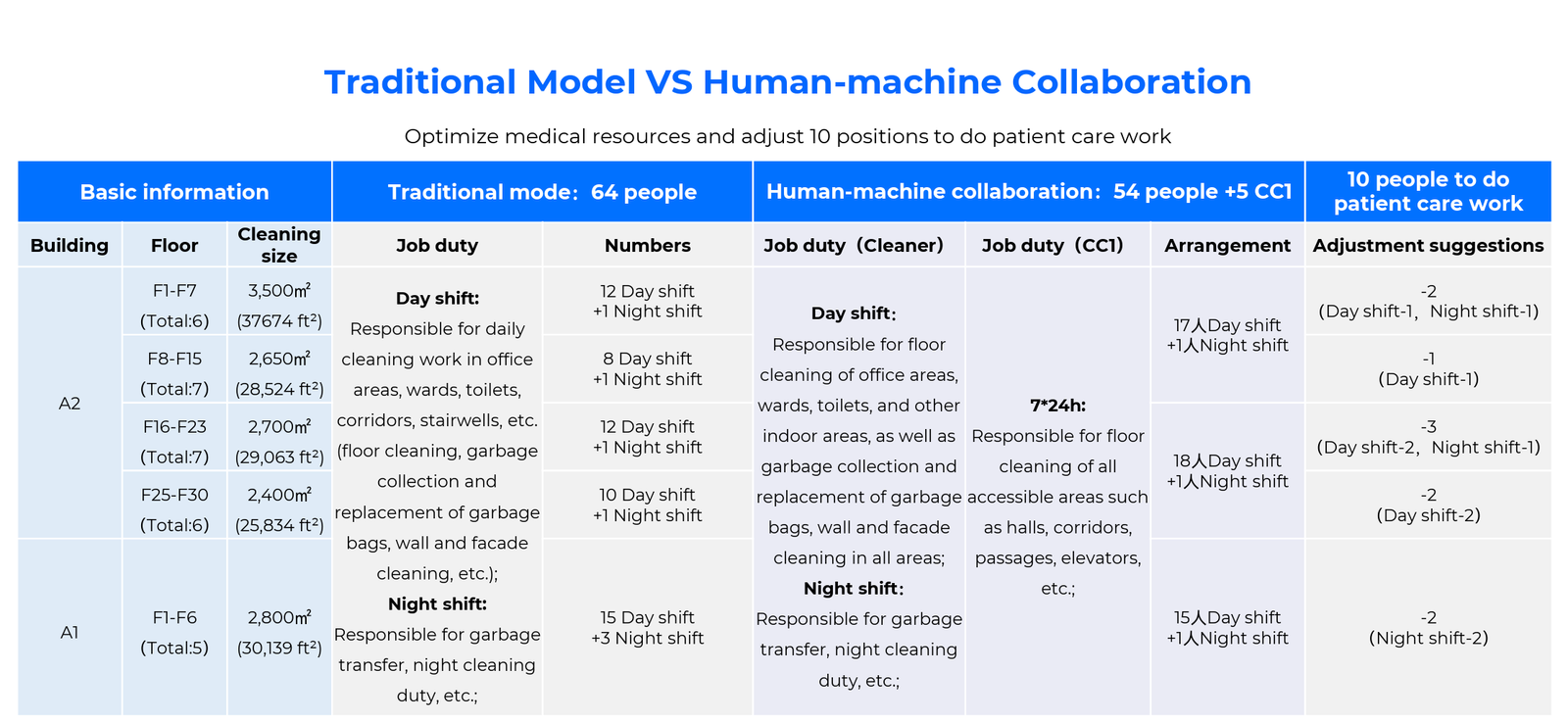
Robots support healthcare facilities by automating delivery of medical supplies, meals, and waste, alongside consistent cleaning—enhancing staff efficiency, patient comfort, and hygiene standards.
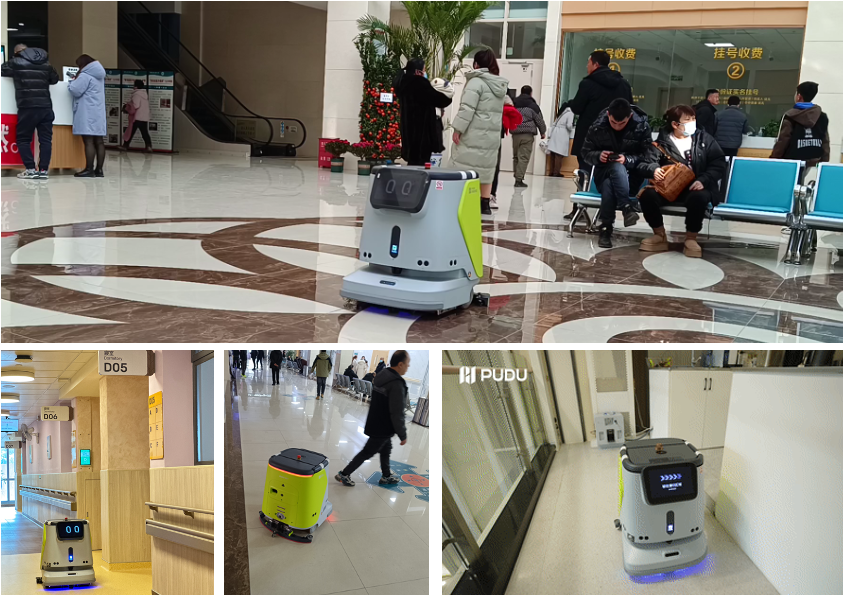
Supporting safer, cleaner, and more efficient healthcare environments.
Improving care experience and operational reliability through smart cleaning.
Technology in a resident-centered care environment — Kendal at Oberlin, Ohio.
At Kendal at Oberlin, a nonprofit life plan community in Ohio, a floor cleaning robot has become part of daily operations—quietly supporting cleanliness while blending into a resident-centered environment.
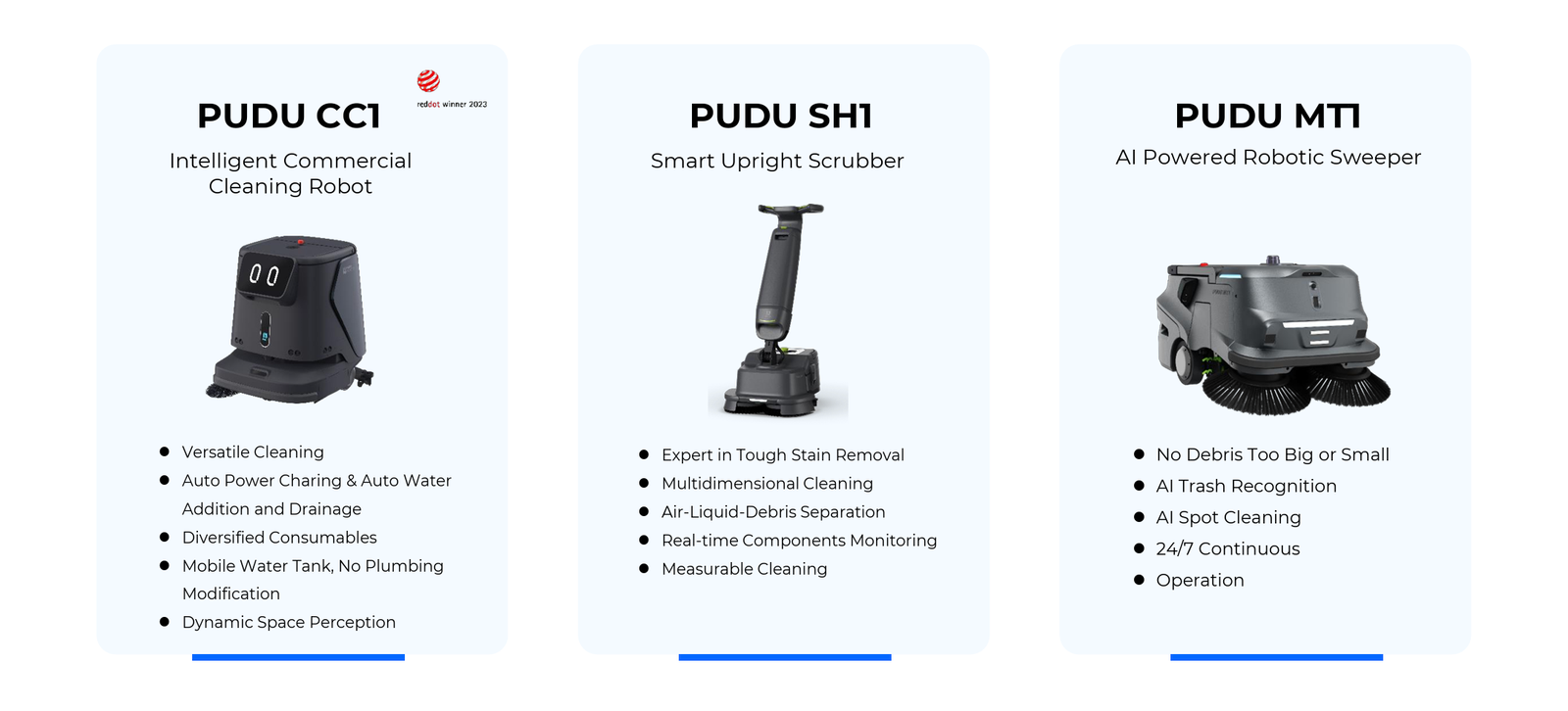
The robot, affectionately named “Floorence” by residents and staff through a community-wide naming contest, is recognized for being energy-efficient, highly effective, and able to navigate safely without bumping into people or objects.
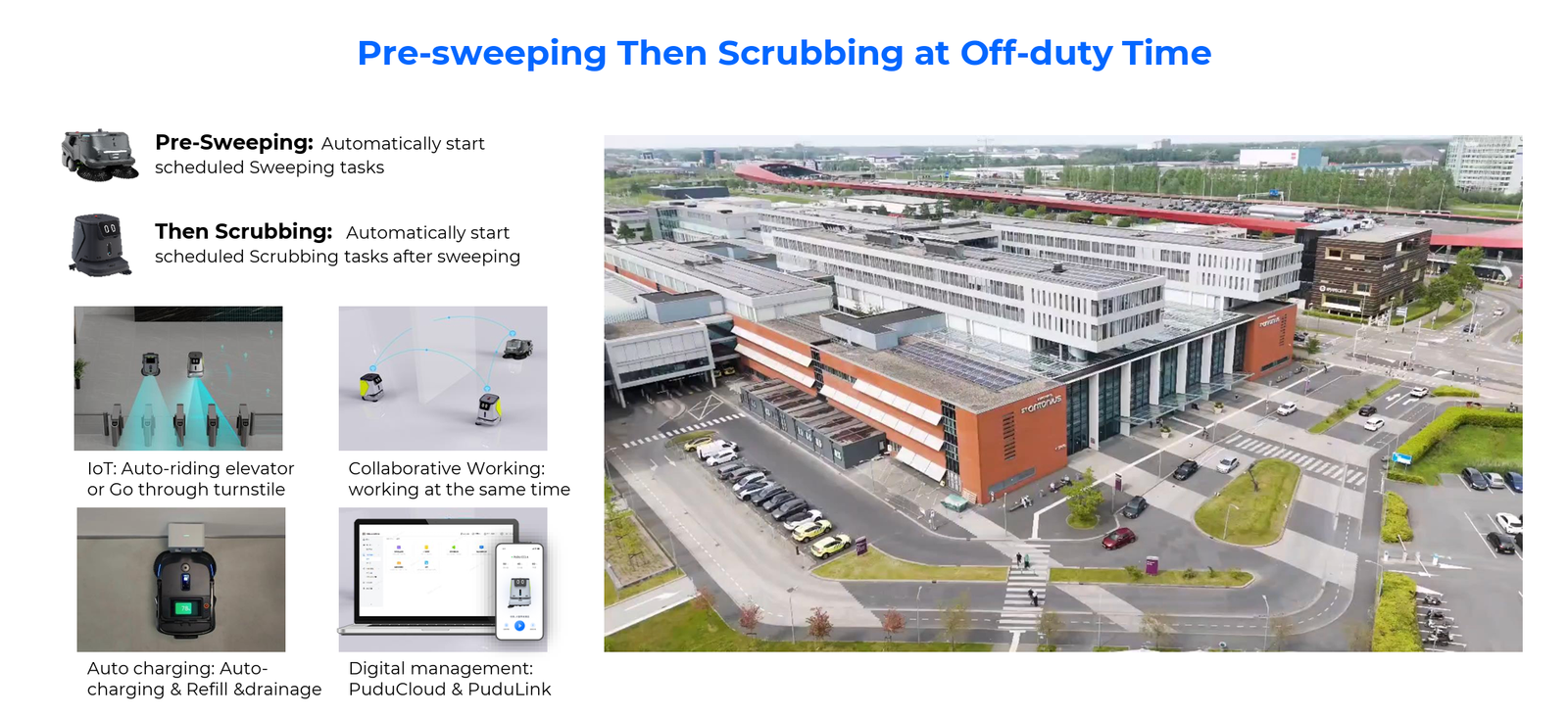
Managed through a mobile app, staff can assign cleaning tasks remotely—such as directing the robot to clean specific hallways or shared spaces like auditoriums—while maintaining operational flexibility.
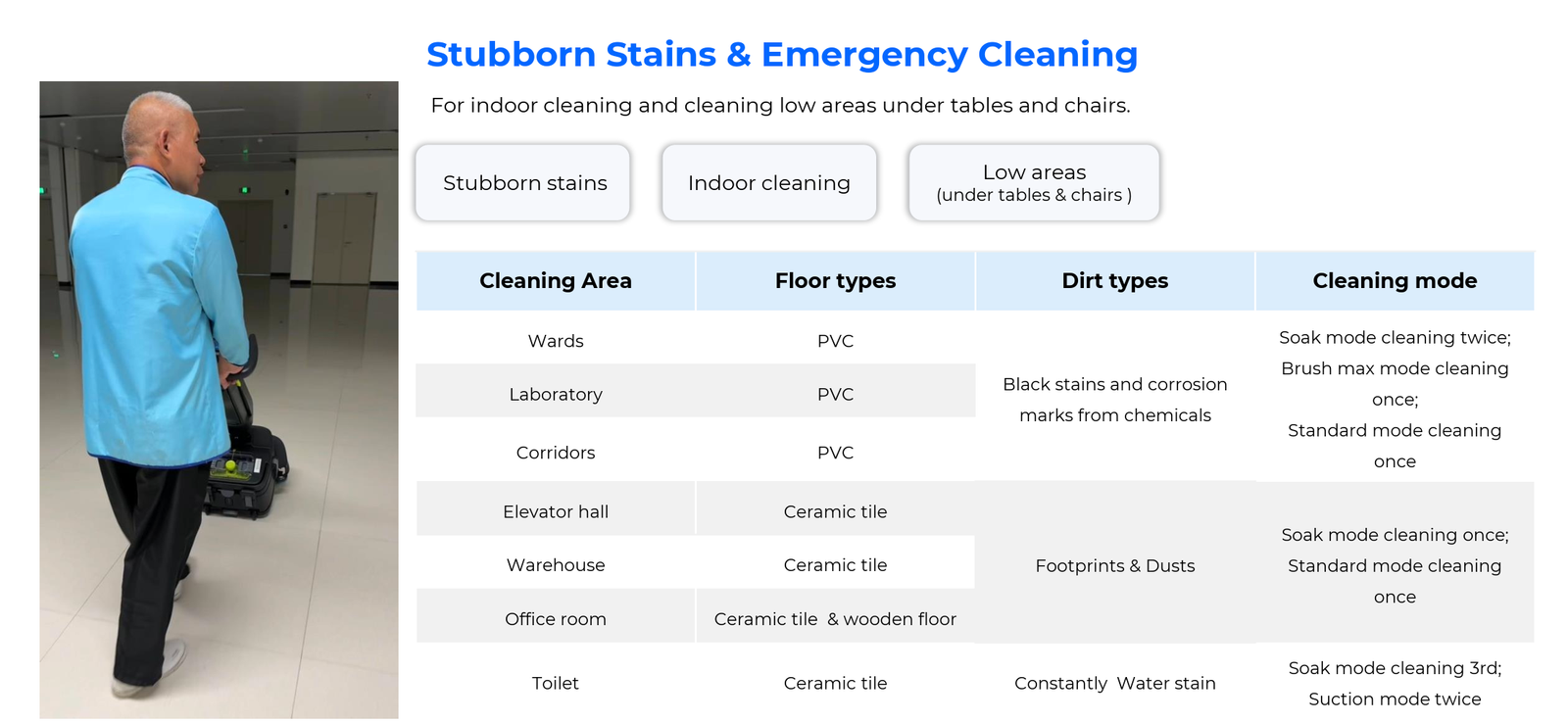
Importantly, the robot is not intended to replace staff. Instead, it supports housekeeping teams by handling routine floor care tasks, allowing limited staff resources to focus on higher-value responsibilities.
The system also contributes to workplace safety. Supported by a grant from the Ohio Bureau of Workers’ Compensation, the deployment reflects a broader goal of reducing physical strain, preventing injuries, and improving working conditions.
The result: a solution that enhances cleanliness, supports staff, improves safety, and integrates seamlessly into a care-focused community.