How autonomous cleaning helped a leading U.S. convenience retail operator improve cleaning quality, reduce labor pressure, and support a more consistent customer experience.
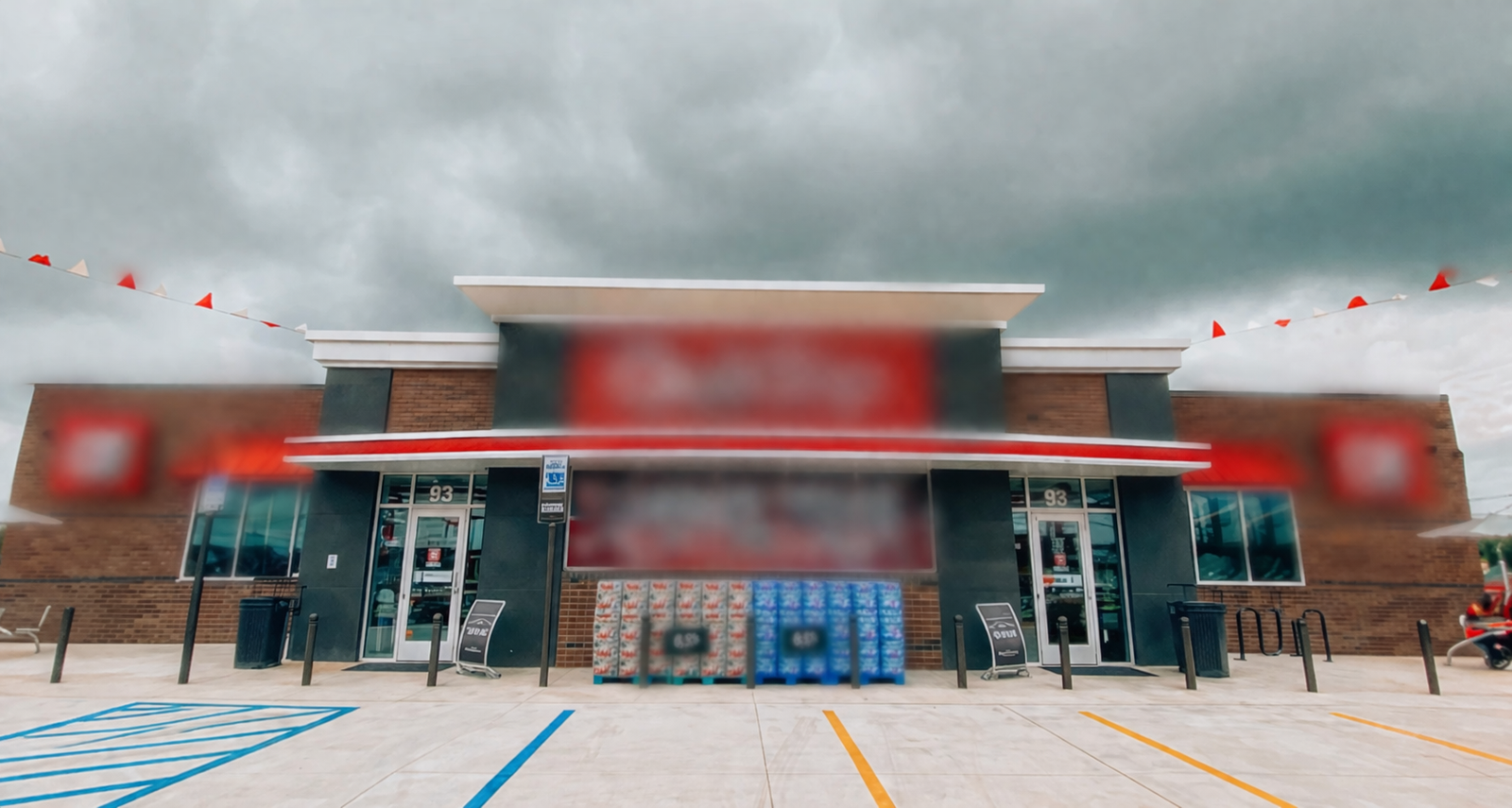
A leading convenience store chain in the United States, operating thousands of locations nationwide.
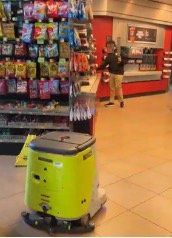
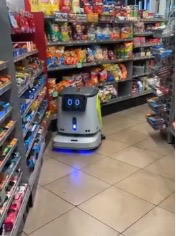

24/7
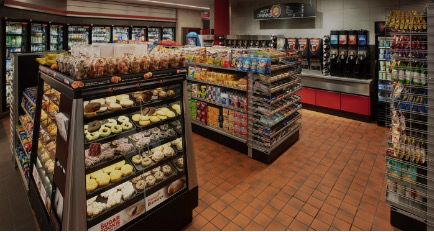
279–667㎡ / store
~30% are floor cleaning area
2000–7000 ppl/day

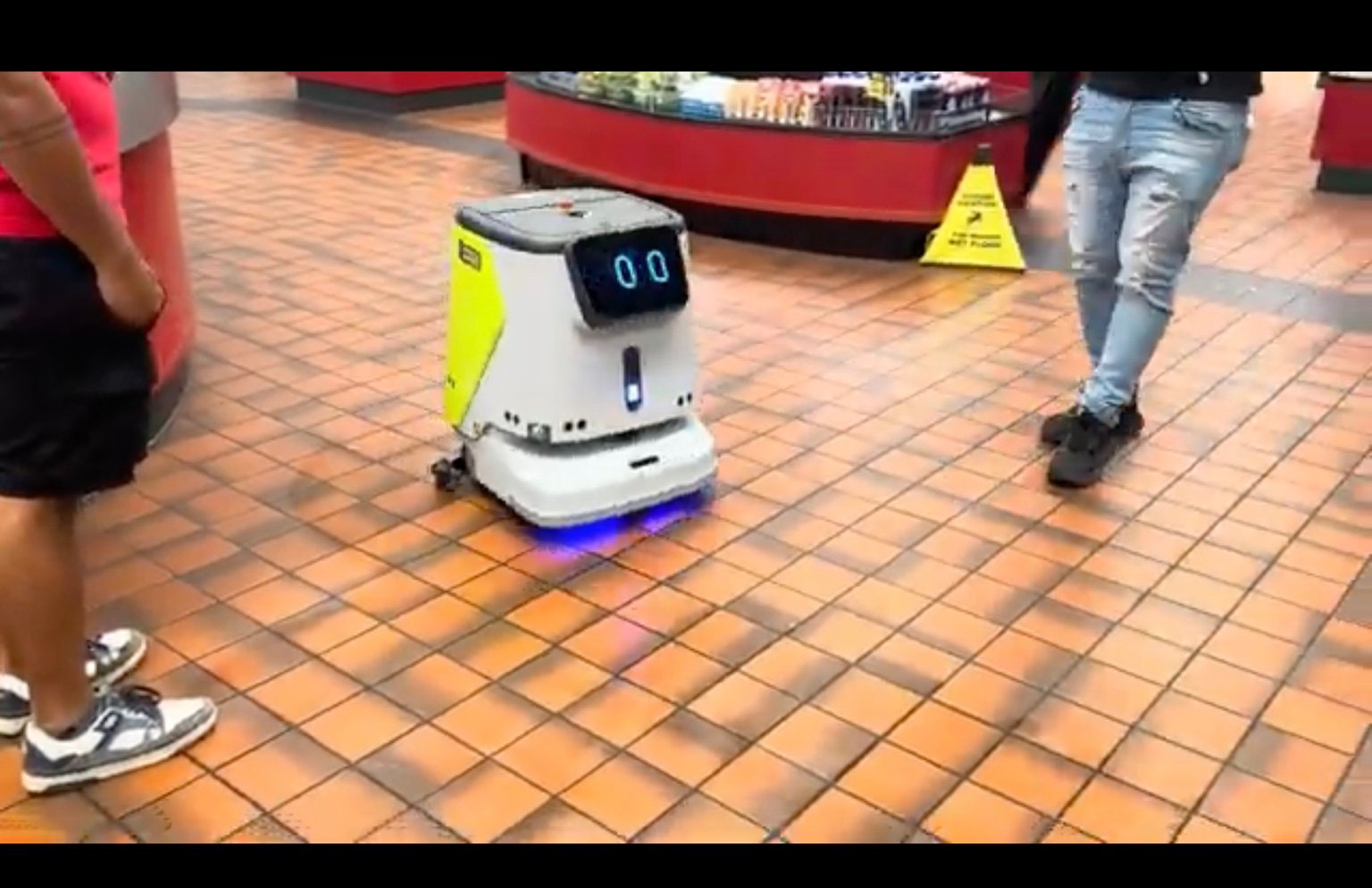
Apply PUDU CC1 x1 + Workstation x1 per store for all day high frequency auto-scrubbing.
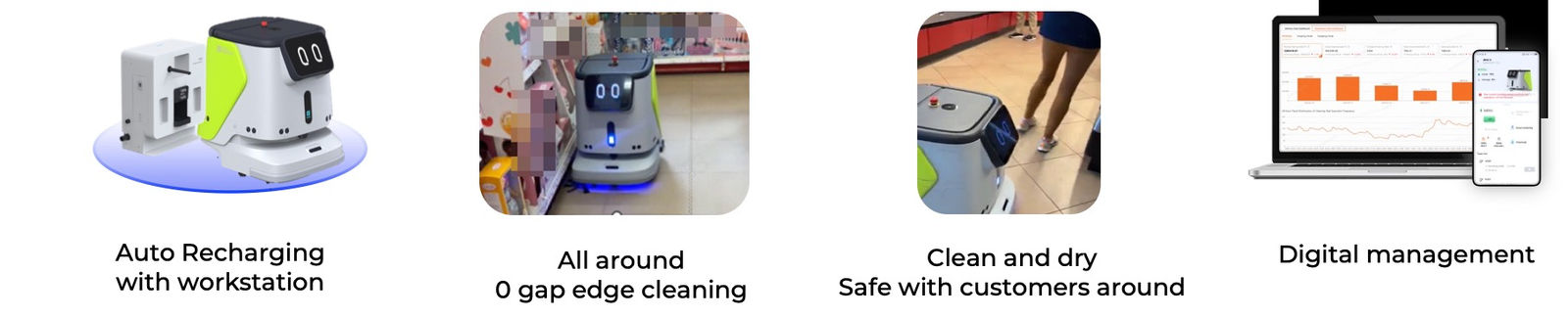
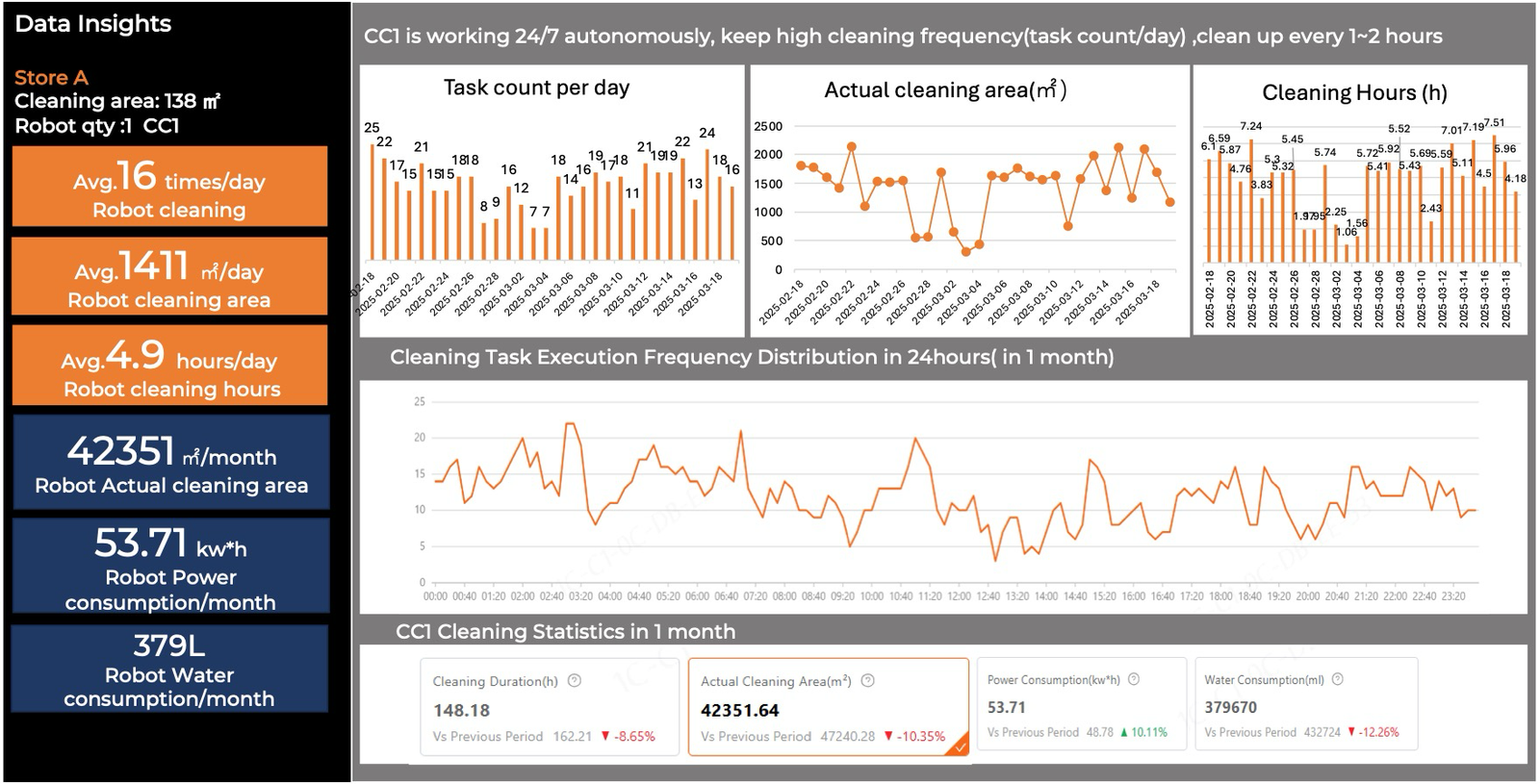

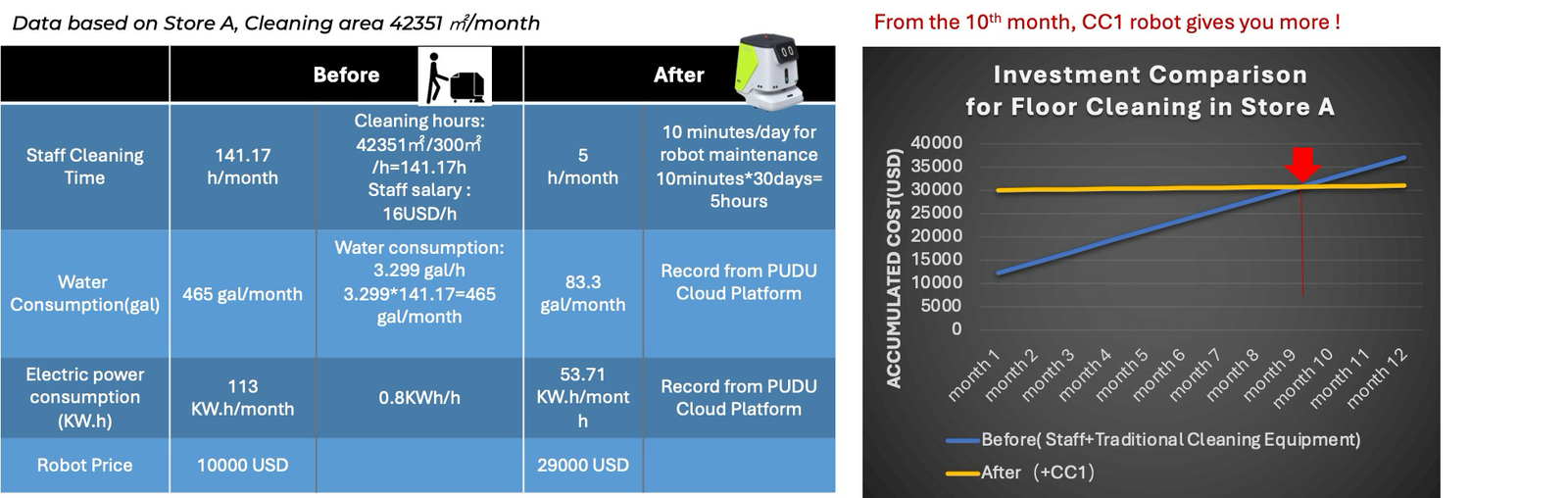
From the data based on Store A, CC1 robot helps reduce repetitive cleaning time, lower water and power consumption, and improve operational efficiency.

Case Study FAQ
Structured answers like these improve AI readability and help search engines understand the use case, outcomes, and industry relevance of this page.
Convenience retail environments combine high traffic, long operating hours, strict cleanliness expectations, and repetitive daily floor-care tasks, making them a strong fit for automation.
The case study focuses on staff turnover, labor pressure, the need for consistent cleaning quality, and the difficulty of maintaining standards across busy convenience-store environments.
Autonomous cleaning supports more consistent results, lowers reliance on repetitive manual labor, helps teams focus on customer-facing work, and can improve operational efficiency at scale.
Yes. Similar benefits can apply to retail, healthcare, hospitality, education, transportation, and other commercial facilities with recurring floor-care workloads.